


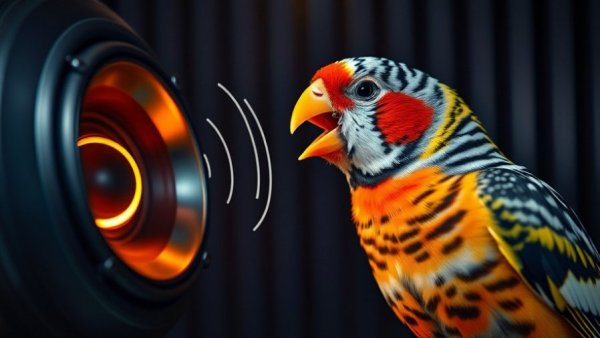
Unlocking the Secrets of Animal Communication
Imagine a world where we could talk to animals, understanding their thoughts, feelings, and desires. The dream of communicating with other species is inching closer to reality, thanks to groundbreaking advancements in artificial intelligence (AI) and bio-acoustic research. The recent video titled We Can Finally Talk To Animals highlights the efforts of researchers who are developing machines capable of deciphering animal sounds and unlocking their meanings.
In We Can Finally Talk To Animals, the discussion dives into AI's potential to bridge the communication gap between humans and animals, exploring key insights that sparked deeper analysis on our end.
Breaking Down Barriers: The Challenge of Understanding Animal Language
For centuries, humans have listened quietly to the sounds made by animals like whales, dolphins, and elephants, but the challenge has always been to comprehend what those sounds truly mean. Traditional methods of studying animal behavior often fell short as they focused on attempting to teach animals human language rather than understanding their unique communication systems. Some researchers even tried to train dolphins to speak English, with little success.
The key to progress lies in AI systems that learn from animal sounds. By analyzing the structure and patterns of these calls, machines can begin to interpret the intentions behind them. For instance, researchers are now able to identify specific calls made by elephants, suggesting that these sounds may hold significant meaning in their social interactions, much like human names do.
The Promise of AI: Listening More Than Teaching
Recent projects have demonstrated that AI can recognize animal sounds with surprising accuracy. Take the example of the Earth Species Project, which trains AI using millions of audio samples of various animal calls, enabling it to identify species with 20% accuracy – a significant leap over mere chance. This technology offers business owners in industries such as wildlife tourism and conservation an opportunity to enhance their understanding of animal behavior, leading to better management and marketing strategies that are ethically informed.
Potential Applications for Businesses
This emerging field has potential business applications that go beyond just animal conversation. Industries involved with wildlife, tourism, or even veterinary care can benefit from a deeper understanding of animal emotions and interactions. For example, resorts that offer wildlife experiences could utilize AI-driven insights to improve guest interactions with animals, enhancing customer satisfaction and ethical tourism practices.
Imagine if veterinarians could detect stress through changes in a pet's vocalizations—this could revolutionize pet care and improve outcomes significantly. As we edge closer to deciphering animal communication, AI tools may soon provide actionable insights that help business owners maintain healthier ecosystems and nurture customer relationships.
The Future of Animal Communication: Challenges Ahead
Despite promising advancements, establishing a true dialogue with animals remains a challenge. While AI can recognize sound patterns and structure, the meaning behind these sounds—like social cues and emotional nuances—continues to elude researchers. For instance, a sequence of clicks from a sperm whale might convey rich information, but translating that into a language understandable to humans requires further breakthroughs.
The research community is aware of the ethical implications of their work. There are concerns about privacy and overreach, particularly when deploying AI in wild animal communication—issues that resonate with modern businesses as they navigate regulatory environments when implementing new technologies.
An Invitation to Consider
As technology advances, the potential for meaningful interactions with the animal kingdom presents unique opportunities for industries reliant on wildlife and animal welfare. Business owners should remain informed and engaged with these developments to leverage insights that could not only enhance their operations but also contribute to conservation efforts and ethical practices in animal treatment. With tools that enable us to listen better, we stand on the brink of understanding what it truly means to communicate.







Write A Comment