


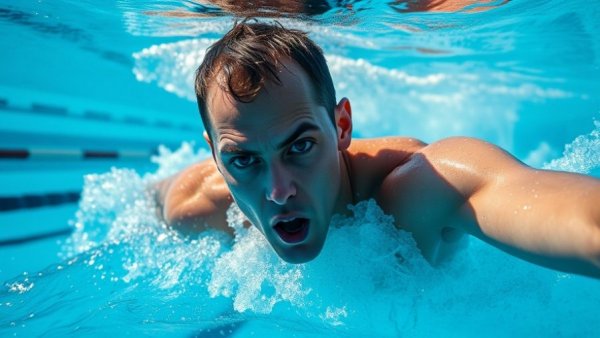
The Transformative Journey of Adult Onset Swimmers
Swimming is often viewed as an innocuous childhood activity, yet many adults find themselves drawn to the water much later in life. The story of one swimmer, who took up swimming at the age of 23 and eventually qualified for a professional triathlon license, sheds light on the unique challenges and triumphs of adult onset swimmers. With personal anecdotes and lessons learned along the way, this piece invites every adult who has considered picking up swimming—or perhaps has done so—to reflect on their journey.
In 'If I Learnt To Swim Now Here's What I Would Do', the discussion dives into the experiences of adult onset swimmers, exploring key insights that sparked deeper analysis on our end.
Why Timing Matters in Swimming
Most childhoods are marked by swimming lessons and weekend swim meets, creating a natural foundation forged through years of practice. For those who missed this early start, such as our swimmer who only dabbled in swimming, the prospect of professional-level performance can be daunting. Adult onset swimmers often have to learn technical skills on top of building endurance, which can take years. It highlights the importance of starting early but also emphasizes that it's never too late to dive in.
Common Obstacles and How to Overcome Them
One of the biggest hurdles adult swimmers face is the challenge of mastering swim techniques. As seen in the experiences shared, the swimmer struggled initially with their pacing, averaging times that might feel discouraging against the backdrop of those who started younger. Key strategies include joining a swim squad for accountability or enlisting a coach to help refine techniques. Both approaches are vital not only for developing skills but also for building a supportive community around the sport.
The Critical Role of One-on-One Coaching
Finding a coach can be a game changer for adult swimmers. The swimmer detailed their experience with a seasoned coach who emphasized technique. Personalized coaching allows swimmers to receive immediate feedback and adjust their strokes for efficiency, addressing weaknesses that might not be evident on their own. Coaches can also tailor workouts to individual strengths and goals, creating a customized pathway toward improvement.
Lessons Learned from Others' Experiences
In addition to personal reflections, insights from peers in the swimming community further enhance understanding of the challenges of adult swimming. For instance, another swimmer shared their struggles during lockdowns due to COVID-19, accentuating how quickly skills can fade without consistent practice. Such stories reinforce the notion of continuous learning, and the essentiality of maintaining fitness and technique over time.
The Importance of Community and Support
Swimming provides an opportunity for camaraderie; yet, the importance of pairing up with peers or mentors is often overlooked. Discussions surrounding swim squads reveal that finding alignment in skill levels can maximize training effectiveness. Attending communal swim sessions can transform the experience from isolating to invigorating, fostering connections while improving overall performance.
As many in the triathlon sphere uncover, the journey of swimming can be wrought with ups and downs. Whether you're a novice yearning to make a splash or someone who once struggled with the nuances of the stroke, reflection reveals that the journey can indeed be as valuable as the destination.
If you’re contemplating diving into swimming as an adult or looking to enhance your skills, consider engaging a coach or joining a community. The rewards of swimming are not solely physical; they encompass emotional and social benefits, enriching your path to health and wellness. Don't hesitate—take that first stroke toward a fulfilling swimming journey!







Write A Comment