


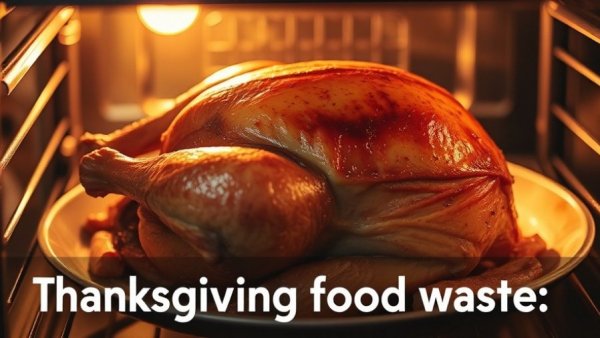
Reducing Food Waste This Thanksgiving in Dayton
Thanksgiving is more than just a day spent with family and friends; it’s also a time when many of us load our plates with more food than we can actually consume. As we dive into this holiday season, it’s crucial to think beyond the feast and consider the implications of food waste. Last month, local experts brought attention to the staggering fact that about 75,000 tons of food are wasted in our area each year, particularly during the holidays. That’s not just food that gets thrown away; it’s money literally going down the drain.
In 'What to do with Thanksgiving food waste,' local environmental experts share insights on managing holiday leftovers. We're delving deeper into their advice while exploring how it resonates with our community.
Transforming Leftovers: Creative Solutions
Abby Cochran from Montgomery County Environmental Services offers practical solutions to tackle Thanksgiving leftovers. One innovative way is to use the turkey carcass to create a delicious bone broth. Not only does this approach amplify the taste of your meals, but it also minimizes waste. Add your vegetable scraps or roasted vegetables to the pot, simmer, and you have a warm, fulfilling broth that can feed you in the months to come.
Another easy option is making a Thanksgiving casserole. Combine all the fixings into a dish, heat it up, and voilà! You’ve reinvented your holiday meal. These simple actions not only save money but also connect you with your food in a more respectful way. This connection creates a greater appreciation for the efforts that go into food production.
The Benefits of Composting
Composting is another effective strategy for reducing food waste. Unlike the landfill, where food decomposes inefficiently, composting allows organic matter, including fruit and vegetable scraps, eggshells, and coffee grounds, to break down naturally and enrich the soil. However, be cautious—avoid composting heavy items like turkey carcasses because they disrupt the composting process.
By taking the time to compost, you not only help improve soil health but also divert waste from landfills, contributing to a more sustainable environment.
Charitable Giving: Donating Non-Perishables
Moreover, Thanksgiving presents an excellent opportunity to look around your pantry. If you have non-perishable food items that are still good, consider donating them to local food banks. Ensuring that these items reach those in need helps reduce waste and supports our community. In a time when food insecurity remains a critical issue, this simple act of kindness can make a tremendous difference.
Conclusion: Embrace Gratitude and Responsibility
This Thanksgiving, let’s embrace our responsibility to reduce food waste while practicing gratitude for the resources we have. The steps we take can significantly impact our environment and community. Whether it’s transforming leftovers into new meals, composting organic matter, or donating non-perishables, each action counts. By being mindful of how we handle Thanksgiving food waste, we can celebrate the holiday with joy and responsibility.
If you're looking to make an impact this holiday season, consider implementing these strategies in your celebrations. Let's turn our feasts into a sustainable future for all.





Write A Comment