


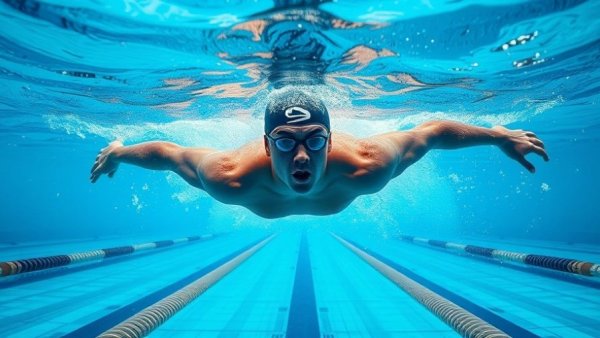
Unlocking the Secrets to Perfecting Your Freestyle Stroke
Freestyle is not just the fastest stroke in the pool; it’s also one of the most sought-after skills for healthy enthusiasts looking to get fitter, engage in lane swimming, or dive into open water adventures. However, many swimmers find themselves struggling with technique, which can turn what should be an enjoyable and invigorating activity into a fight against the water. The good news? You're not alone, and with a step-by-step approach, you can master this essential stroke and enhance your swimming experience.
In 'The Ultimate Guide To Swimming Freestyle,' the video highlights key techniques essential to mastering freestyle, prompting a deeper analysis of these tips for improving swimming efficiency.
Understanding Key Elements of the Freestyle Stroke
To swim freestyle effectively, it’s crucial to break down the stroke into manageable parts. Start with the body and head position. An optimal stance requires you to be as flat as possible on the water's surface, helping reduce drag and conserve energy. Remember to keep your head neutral, facing downwards rather than lifting it to check your path ahead. Adopting this technique not only enhances your glide but also elevates your hips, promoting a more efficient swimming posture.
Mastering Arm Movement for Increased Propulsion
The arms play a vital role in generating propulsion during freestyle. Understanding the six key phases—from entry to recovery—can elevate your swimming performance significantly. A mistake common among swimmers is having a dropped elbow during the catch phase, which leads to diminished propulsion. Focusing on keeping your elbows high and practicing drills like skulling can help you gain better control and strength in your strokes.
Building a Strong Kicking Foundation
Your kick is essential for balance and propulsion. Contrary to popular belief, the power for your kick should originate from the hips, not the knees. Using a board to practice kicking can help develop the right technique by encouraging a more streamlined position. This not only aids your speed but also enables you to swim longer distances without wasting energy.
The Art of Breathing: Finding Your Rhythm
Breathing can be one of the most challenging aspects of freestyle. The key here is to exhale while your face is submerged, allowing for a quick and efficient inhale when you turn your head. Maintaining a steady flow of bubbles as you exhale will help you create a pocket of air when it’s time to breathe. Practicing your breathing rhythm can significantly reduce stress in the water, making it easier to focus on your overall technique.
Putting It All Together for Streamlined Success
Combining all these elements can seem overwhelming at first. However, taking small steps—by focusing on one aspect at a time—can lead to remarkable improvements. Whether it’s tweaking your head position or refining your breathing, even minor adjustments can significantly impact your speed and efficiency in the water.
If you're eager to improve your swimming game or dive into triathlons, it's essential to commit to practicing these techniques over time. You might be pleasantly surprised by how quickly the improvements come along! And remember, your feedback is invaluable; if there's a specific aspect of swimming you'd like to explore further, don’t hesitate to share!







Write A Comment