



Understanding Hormonal Changes: A Woman's Journey through Fitness
Training during the different phases of a woman's life, particularly as one transitions through perimenopause and menopause, involves more than just adjusting exercise routines; it's about understanding the profound impact of hormonal changes on physicality. As Dr. Stacy Sims emphasizes, the biology of women diverges greatly from men, necessitating a more nuanced approach to training and wellness.
In "Why Tendons May Stiffen As Estrogen Drops | Dr. Stacy Sims", the discussion dives into the crucial connection between hormonal changes and fitness, leading us to an analysis of how women can best navigate their health during transitions.
Optimizing Exercise During Perimenopause
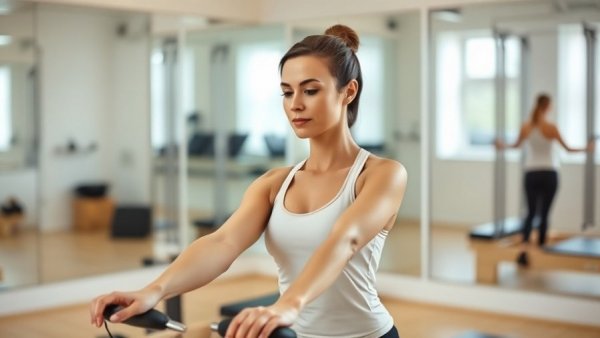
During perimenopause, fluctuating hormones can lead to stiffness, particularly in tendons, which can result in softer tissue injuries more commonly. As estrogen levels drop, collagen—the protein that supports tendons—loses its elasticity, meaning activities that previously felt effortless can suddenly lead to discomfort. Therefore, it's crucial to adapt your fitness regimen to include strength training, flexibility exercises, and lower-impact activities. Yoga and Pilates can offer significant benefits, promoting mobility and reducing the chances of injury.
The Importance of Sleep for Wellness
Another critical aspect of health that often gets overlooked is sleep. As highlighted in Dr. Sims' insights, inadequate sleep can affect memory, physical recovery, and overall health. For those in their 30s and beyond, establishing a solid sleep routine can dramatically impact fitness performance and hormonal balance. Prioritizing sleep hygiene, such as setting a consistent bedtime and limiting screen time, can enhance both mental and physical well-being.
The Role of Nutrition and Self-Care
Alongside exercise and sleep, nutrition plays a vital role in wellness during hormonal shifts. Women often face unique dietary needs as they navigate hormonal changes. Accessibility to local nutritionists in Ohio can be an excellent resource for personalized diet plans that bolster one's health during this transition. Consuming foods rich in omega-3 fatty acids, lean proteins, and antioxidant-rich fruits and vegetables can aid in managing inflammation, which may contribute to issues like infertility or chronic pain.
Creating a Flexible Fitness Plan
The cornerstone of effective fitness during the perimenopause and menopause phases is flexibility. As expectations change, it's important to tune into one's body and recognize when to adjust intensity or volume. There should be no guilt in opting for lighter workouts or more restorative yoga sessions when feeling fatigued. Exercises that prioritize body awareness can mitigate the risk of injury and promote overall fitness.
Furthermore, Ohio offers a range of wellness retreats and fitness classes tailored to women’s health, making it easier to find community support throughout these transitions. Getting involved in local fitness programs can help foster a sense of camaraderie and shared experience.
In summary, by taking an informed and individualized approach to exercise, nutrition, and sleep, women can navigate hormonal changes with a sense of empowerment. It's imperative to embrace these shifts rather than resist them, turning them into opportunities for better health and well-being.






Write A Comment