


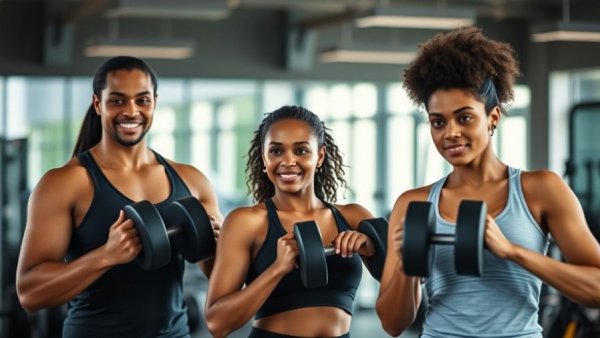
Why Women’s Training Needs Differ
In recent discussions surrounding female fitness, Dr. Stacy Sims has shed light on a crucial misconception: women should not train like smaller versions of men. This pervasive myth oversimplifies the intricacies of female physiology, which plays an essential role in optimizing training regimens. The nuances of muscle fiber composition, recovery rates, and hormonal fluctuations all contribute to the unique needs of women in physical training.
In 'Women Are Not Small Men: Why Training Like Them Can Cost You Power', the conversation explores the significant differences in female training needs, prompting us to delve deeper into how those insights apply in everyday life.
Understanding the Physiological Differences
One of the critical aspects of female fitness is recognizing that women typically have more type one muscle fibers, which favor endurance. As Dr. Sims emphasizes, focusing solely on endurance training can lead to the underdevelopment of type two fibers, vital for power production. Instead of just scaling down men's training programs, women should engage in exercises that encourage power generation and complement their unique physiology.
The Role of Hormones in Training
Hormonal fluctuations, especially during different life phases like premenopause and menopause, further complicate training approaches. Women don’t just need to be aware of their cycles; they must tailor their workouts accordingly. For instance, high-intensity workouts may be necessary to combat the altered metabolic state during menopause, where estrogen levels are inconsistent.
The Importance of Personalized Training
A one-size-fits-all approach is ineffective. Each woman's body responds differently to exercise based on her individual circumstances. It’s about understanding personal cycles and recognizing the days when one feels strong versus weaker. This personalized training can notably impact overall performance and wellbeing, leading to better results and a more enjoyable fitness experience.
Bridging the Gender Data Gap
Another compelling topic highlighted is the need for more female representation in scientific research. The historical tendency to exclude women's physiological differences from studies limits knowledge and progress in female fitness. Dr. Sims argues for the inclusion of women throughout research, ensuring data reflects the variety and complexity of women's experiences.
This approach not only empowers women in their training but also helps create a broader understanding within the fitness community about the necessity for tailored programs for women.
Actionable Insights for Female Fitness Enthusiasts
As women embark on their fitness journeys, taking the time to understand personal body responses, setting realistic goals, and experimenting with different training styles can lead to profound improvements in their health and wellness. Engaging with nutritionists and health coaches who focus on women’s health can also provide invaluable support. Furthermore, exploring local fitness classes and wellness retreats tailored to women's needs can enhance the experience.
In Ohio, for instance, programs focusing on female-specific fitness and nutrition can offer holistic approaches to wellbeing. When supported by the right knowledge and resources, women can thrive in their fitness ambitions.






Write A Comment