




Why Human Skills Matter in the Age of Automation
As artificial intelligence (AI) continues to integrate into various sectors, there is a growing concern about which skills will remain irreplaceable in the workforce. While machines can process data and perform repetitive tasks with unparalleled efficiency, certain human traits are inherently complex and nuanced. Skills such as empathy, creativity, and critical thinking stand out as vital assets that AI simply cannot replicate.
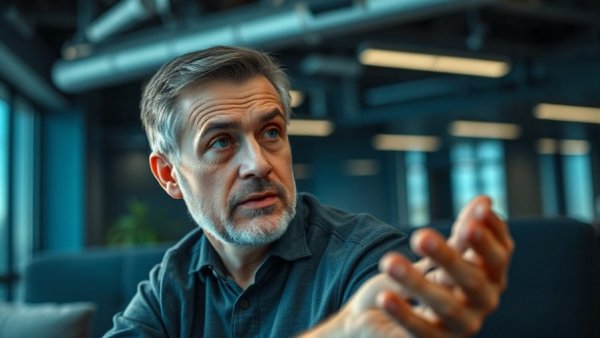
In '3 Skills AI Will Never Replace,' the discussion dives into the importance of human skills amidst AI advancements, exploring key insights that sparked deeper analysis on our end.
The Unmatched Power of Empathy
Empathy is one skill that AI cannot replace. In fields like healthcare, social work, and customer service, understanding human emotions and responding appropriately is crucial. Professionals who can connect with others on an emotional level provide support that AI, with its cold calculations, cannot offer. This emotional intelligence fosters relationships between individuals, leading to more positive outcomes in both personal and professional environments. Whether it's a doctor comforting a patient or a teacher encouraging students, empathetic interactions create an invaluable trust and rapport that machines fail to establish.
Creativity: The Art of Human Imagination
When it comes to generating novel ideas and genuinely original work, creativity remains the gold standard of human capability. Artistic expression—be it in music, writing, visual arts, or even marketing—requires an understanding of cultural nuances, human experience, and emotional resonance. While AI can mimic styles and produce content based on existing frameworks, it lacks the ability to innovate in the way humans can. Businesses looking to engage customers through compelling stories and unique brand identities will rely on individuals who can think outside the box and break the mold.
Critical Thinking: Navigating Complex Problems
In a world overflowing with data, critical thinking is essential. This skill allows individuals to analyze situations, make informed decisions, and solve complex problems discernibly and effectively. While AI can generate data insights, it does not possess the contextual understanding necessary to evaluate situations intricately. Professionals equipped with critical thinking can weigh ethical considerations, practical implications, and long-term ramifications of decisions in ways that AI cannot. Such discernment is particularly valuable in fields like law, journalism, and management, where the stakes are high and the outcomes can significantly affect lives.
The Social Implications of AI Integration
The integration of AI into daily life is making it imperative to adapt our understanding of work and human capability. Companies that prioritize hiring for emotional intelligence, creativity, and critical thinking create an innovative and resilient workforce. This shift not only ensures that the human touch remains in the workplace but also encourages individuals to refine their uniquely human skills in the face of automation. Businesses must embrace these changes, recognizing that the collaboration between humans and AI can yield powerful outcomes.
Conclusion: Embrace the Future of Work
As technology progresses and AI evolves, the importance of human skills becomes increasingly clear. By focusing on empathy, creativity, and critical thinking, we can shape a future where humans and AI work together effectively. To thrive in this new landscape, individuals must develop and harness these irreplaceable skills, reinforcing their value as workers in a rapidly changing world.
In conclusion, the video '3 Skills AI Will Never Replace' emphasizes that while AI is becoming an integral part of our lives, certain human abilities will always surpass machine capabilities. Understanding this distinction is key to not only surviving but thriving in the age of technology.



Write A Comment