


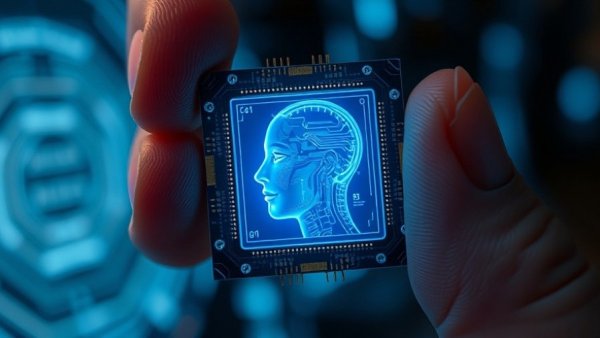
The Rise of Digital Twins: What They Mean for Businesses
In a world increasingly driven by data, the advent of digital twins has challenging and exciting implications for business owners. These AI-generated avatars simulate customer behavior by analyzing intricate patterns drawn from vast personal data pools, including purchasing history and online engagement. The idea is straightforward: by understanding consumer trends with astonishing accuracy, companies can enhance marketing strategies, streamline operations, and predict outcomes before launching products or campaigns.
Understanding Synthetic Consumers
Digital twins serve as a remarkable evolution in how businesses comprehend consumer behavior. Unlike traditional methods of market research, which often rely on surveys and focus groups, these digital models can predict customer reactions with minimal human involvement. This shift raises important questions not only about accuracy but also about ethics. With data driven models simulating real customers, privacy concerns surge, posing the question: what happens when our online behaviors are mirrored in a synthetic persona without our consent?
Ethical Implications of Digital Twins
As business owners adopt these technologies, they must balance the often conflicting interests of operational efficiency against ethical practices. The potential for misuse of data grows as companies gather vast troves of personal information to create these digital representations. How can businesses ensure they are upholding privacy and consent while still leveraging the predictive power of digital twins?
The Potential of AI in Marketing
Despite these challenges, the applications of digital twins in marketing are substantial. Companies can now experiment with different campaigns using synthetic users, refining strategies and predicting outcomes before real-world testing. By employing models that simulate consumer behavior, businesses can gain valuable insights while conserving time and resources. This capability allows for a competitive edge in an ever-evolving marketplace.
Recognizing the Limitations
However, relying on these sophisticated technologies comes with risks. While digital twins can provide a general overview of consumer behaviors, they can struggle with individual nuances and unique decision-making processes. This limitation underscores the importance of not solely depending on AI models but complementing their insights with human understanding and ethical considerations.
Navigating Future Challenges
The conversation surrounding the ethical use of digital twins is just beginning. Business owners must be vigilant in their approach, taking time to assess how synthetic users are deployed within their marketing strategies. Understanding both the immense potential and inherent pitfalls in utilizing digital twins is key to crafting more effective and ethical business practices.
As technology continues to advance, the responsibilities that come with these new tools will only multiply. Responsible practices in employing AI-driven insights aren't merely optional; they are essential for the future of marketing and consumer relations.





Write A Comment