


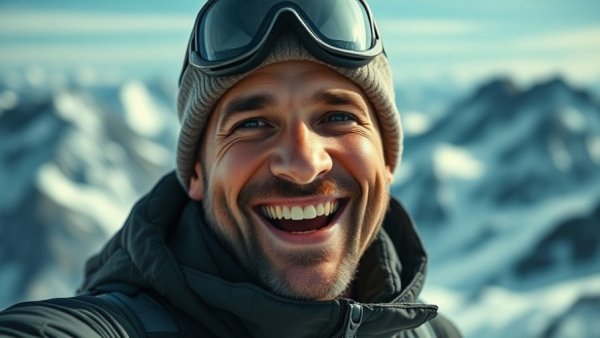
High-Altitude Training: Why It Matters
High-altitude training is gaining traction among fitness enthusiasts, particularly those aiming for peak performance. The concept is straightforward: working out at elevated altitudes can enhance cardiovascular efficiency and increase stamina. This elevation impacts oxygen availability, pushing your body to adapt over time. Athletes commonly gravitate towards such environments to reap the benefits, as the body learns to handle lower oxygen levels more effectively. This adaptation is crucial for those involved in triathlon and other endurance sports.
In 'High altitude and LOW temperatures! ??', the discussion dives into the intriguing effects of environmental conditions on physical training, leading us to explore key insights that could revolutionize your fitness routine.
The Impact of Low Temperatures on Exercise
While altitude plays a significant role in determining workout effectiveness, the influence of temperature cannot be overlooked, particularly colder temperatures. Extreme cold can actually enhance the body’s response rate and facilitate fat burning during workouts. Engaging in physical training outdoors during winter months may stimulate metabolism more than exercising in warmer climates. Plus, cold air promotes better circulation in the body, keeping your heart healthy. Thus, if you’re a health enthusiast, embracing cold-weather workouts could lead to great rewards.
Real-World Examples: Inspiring Cold Weather Triumphs
Many athletes take the plunge into cold-weather workouts inspired by authentic personal stories of transformation. For instance, renowned triathlete and winter sports champion Jane Doe trains throughout the snowy terrain of Ohio, integrating cold temperatures into her workout routine. Jane reports that not only does she perform better in competitive settings, but she’s also learned to love the invigorating chill that accompanies her sessions. Engaging in physical activity amid winter landscapes can evoke feelings of joy and accomplishment, empowering enthusiasts to challenge themselves beyond their limits.
Actionable Insights: How to Train for Success
So, how can you translate this knowledge into effective training? Start with exposure: allow your body to adjust gradually to low temperatures before diving into an intense workout. Layer your clothing to maintain warmth and mobility during exercise, ensuring you remain comfortable. Consider combining altitude training with cold-weather workouts—an invigorating blend that could take your fitness to new heights!
Embrace the Challenge
For those looking to elevate their health and fitness journey, combining high altitude with low temperatures could open doors to significant achievements. Embracing these challenging conditions not only enhances physical training but boosts mental resilience too. It's high time to challenge yourself and step out of your comfort zone!







Write A Comment